
When it comes to fixing tiles—whether on floors, walls, kitchens, or bathrooms—the choice of the right fixing material is crucial. Two common options often come up: traditional cement mortar and modern tile adhesive.
Though both do the job of sticking tiles, they work in very different ways. Let’s explore what each one is, how they perform, and why tile adhesive is becoming the smarter choice in today’s construction world.
What is Cement Mortar?
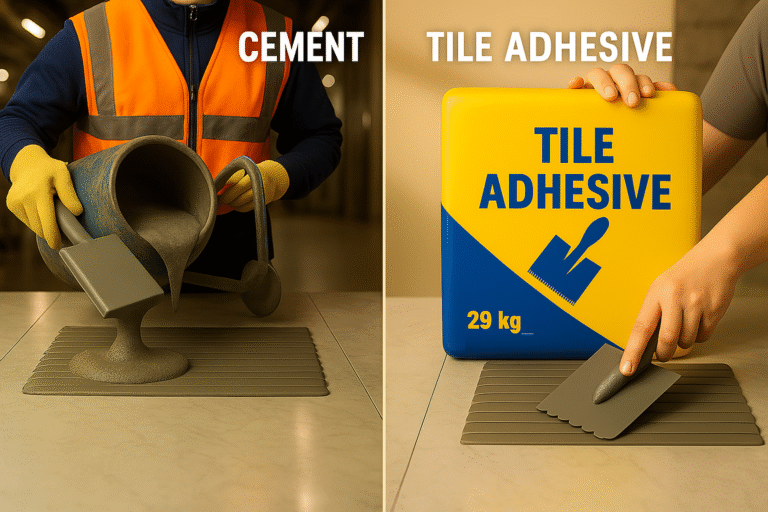
It’s made by blending sand, cement, and water into a thick paste used for sticking tiles. For decades, it has been used to attach tiles to surfaces. The process includes mixing cement and sand on-site, applying the paste on the floor or wall, and pressing the tile into place.
It’s simple and inexpensive, but it comes with many challenges when it comes to precision, bonding strength, and long-term durability.
What is Tile Adhesive?
Tile adhesive is a pre-mixed bonding material made from cement-based polymers and special additives. It’s available in ready-to-use powder form—you just mix it with water. Tile adhesive is specially made to fix tiles quickly, evenly, and with a strong grip.
It can be used for a wide range of tile types like ceramic, porcelain, stone, and glass, and is suitable for surfaces like concrete, drywall, or old tiles.
How Do They Work?
Cement Mortar:
- It holds tiles in place from underneath while slowly becoming firm.
- The mixture is applied unevenly by hand, often resulting in air pockets.
- It needs a thick layer for support—this adds weight and may lead to tile lippage (uneven tiles).
- Tiles must be dipped in water first to stop them from pulling moisture out of the mix.
Tile Adhesive:
- It forms a firm and uniform grip that links the tile securely to the base
- It is applied with a notched trowel, creating a uniform bed and removing gaps.
- Requires a very thin layer, which reduces weight and improves finish.
- No need to pre-soak tiles; the adhesive is made to retain enough moisture.
Head-to-Head: Cement Mortar vs Tile Adhesive
Let’s compare the two based on the key aspects of tile fixing:
| Feature | Cement Mortar | Tile Adhesive |
| Mixing | Done manually on-site | Pre-packed, easy to mix |
| Bond Strength | Moderate | High |
| Surface Preparation | Needs rough surface | Works on many surfaces |
| Tile Soaking | Must soak tiles | No soaking needed |
| Layer Thickness | Thick (8–12 mm) | Thin (3–5 mm) |
| Coverage | Low | High (more area with less) |
| Wastage | High material loss | Minimal waste |
| Work Speed | Slower | Faster and cleaner |
| Finish | Often uneven | Smooth and level finish |
| Suitability | Basic tiles only | Works with all tile types |
| Cost Over Time | Cheaper now, costly repairs later | Saves cost in the long run |
Why Tile Adhesive is Better for Modern Construction
1. Changing Tile Trends: Size & Weight Matters
In the past, tiling was dominated by small-sized ceramic tiles (2×1 ft, ~3.2 kg) that could be securely fixed using cement. These were non-porous and lightweight, suitable for older, low-load designs.
But today’s architecture embraces vitrified tiles — large-format tiles (up to 10×4 ft, ~45 kg) that are:
- Porous in nature
- Heavy in weight
- Difficult to hold with cement due to low bonding strength
This shift makes traditional cement completely incompatible with new-generation tiles.
2. Limitations of Cement in Tiling
- Needs curing: Cement requires water curing to gain strength — something not feasible once a tile is laid.
- Emits heat: Heat generated during setting can affect tile stability, causing cracks or debonding.
- No grip under tiles: Water slides off tile surfaces, leading to poor bonding and structural failure.
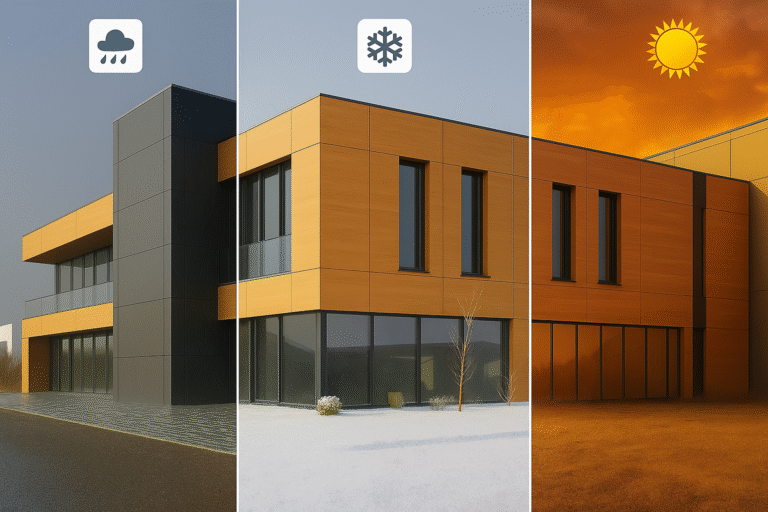
- Climate issues: Cement-laid tiles often suffer from cracking, debonding, water ingress, and efflorescence under temperature changes.
3. The Power of Adhesives: Strong. Smart. Polymer Grip.
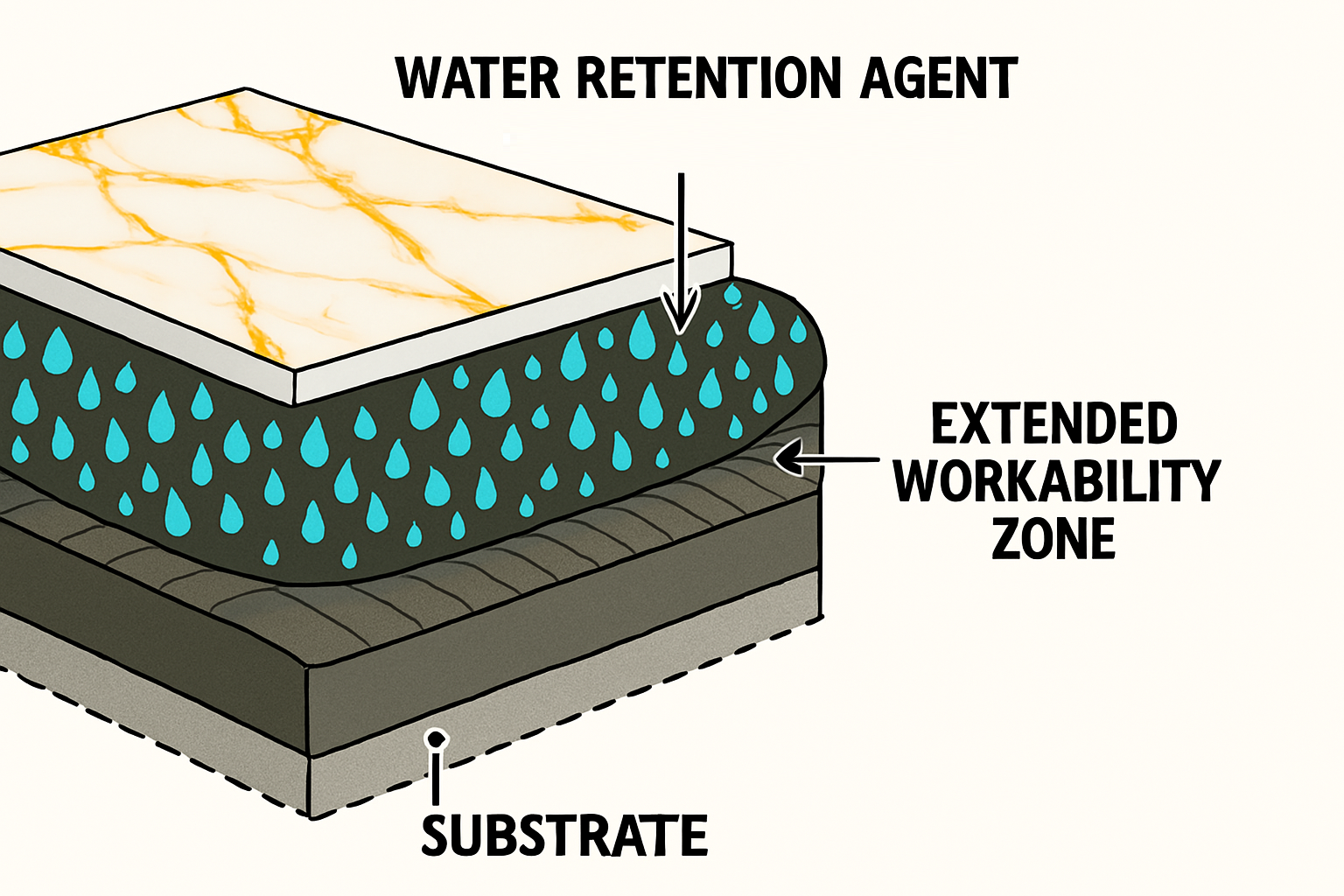
Modern tile adhesives are polymer-modified with water-retention agents, ensuring:
- Better moisture retention for optimum hydration
- Even heat distribution preventing cracks
- Superior bonding with both tile and substrate
- Zero curing required, saving time and labor
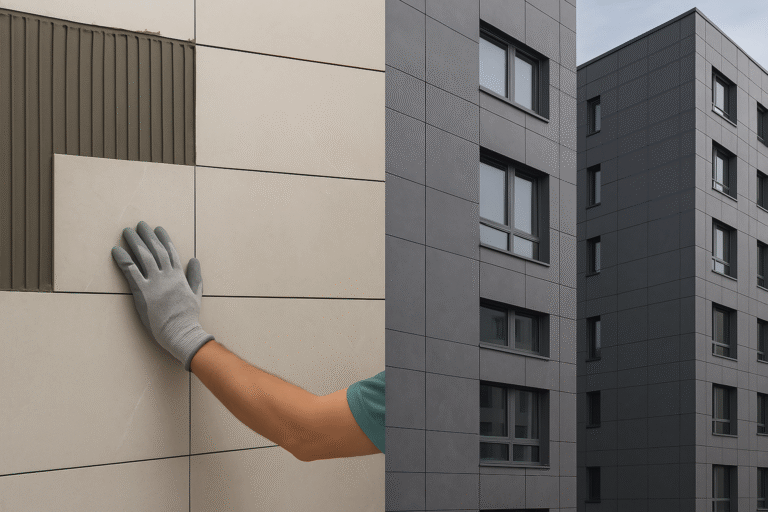
This makes adhesives ideal for all surfaces — floors, walls, RCC slabs, underwater areas, plywood, metal sheets, and more.
“Cement is past. Polymer is the future.”
Common Myths vs Facts
Myth: Adhesives are expensive.
Fact: They may cost more per bag, but they cover more area with less product, reduce rework, and save time and labor.
Myth: Mortar is stronger because it’s made of cement.
Fact: Tile adhesives have engineered strength that’s specially formulated for bonding tiles under real-world conditions.
Myth: Cement mortar is traditional, so it must be reliable.
Fact: Construction has evolved. Adhesives offer modern reliability for today’s materials and methods.
Final Thought: Choose Smart, Build Strong
The world of construction is changing fast, and your choice of material should match that pace. While cement mortar still has its place in some basic uses, tile adhesive is the clear winner when it comes to:
- Faster work
- Cleaner finish
- Greater strength
- More flexibility
- Fewer future problems
If you want your tiles to last long, look great, and be installed with less mess and stress—tile adhesive is the way forward.