In the world of tile fixing, we often focus on the visible parts — beautiful tiles, neat joints, and clean finishes. But what truly makes tiles stay in place for years is something we don’t see: the adhesive. And within that adhesive, there’s a small but powerful component doing a big job — the water retention agent.
Let’s explore what water retention agents are, how they work, and why they are essential for modern tile applications.
Understanding the Basics: What is a Water Retention Agent?
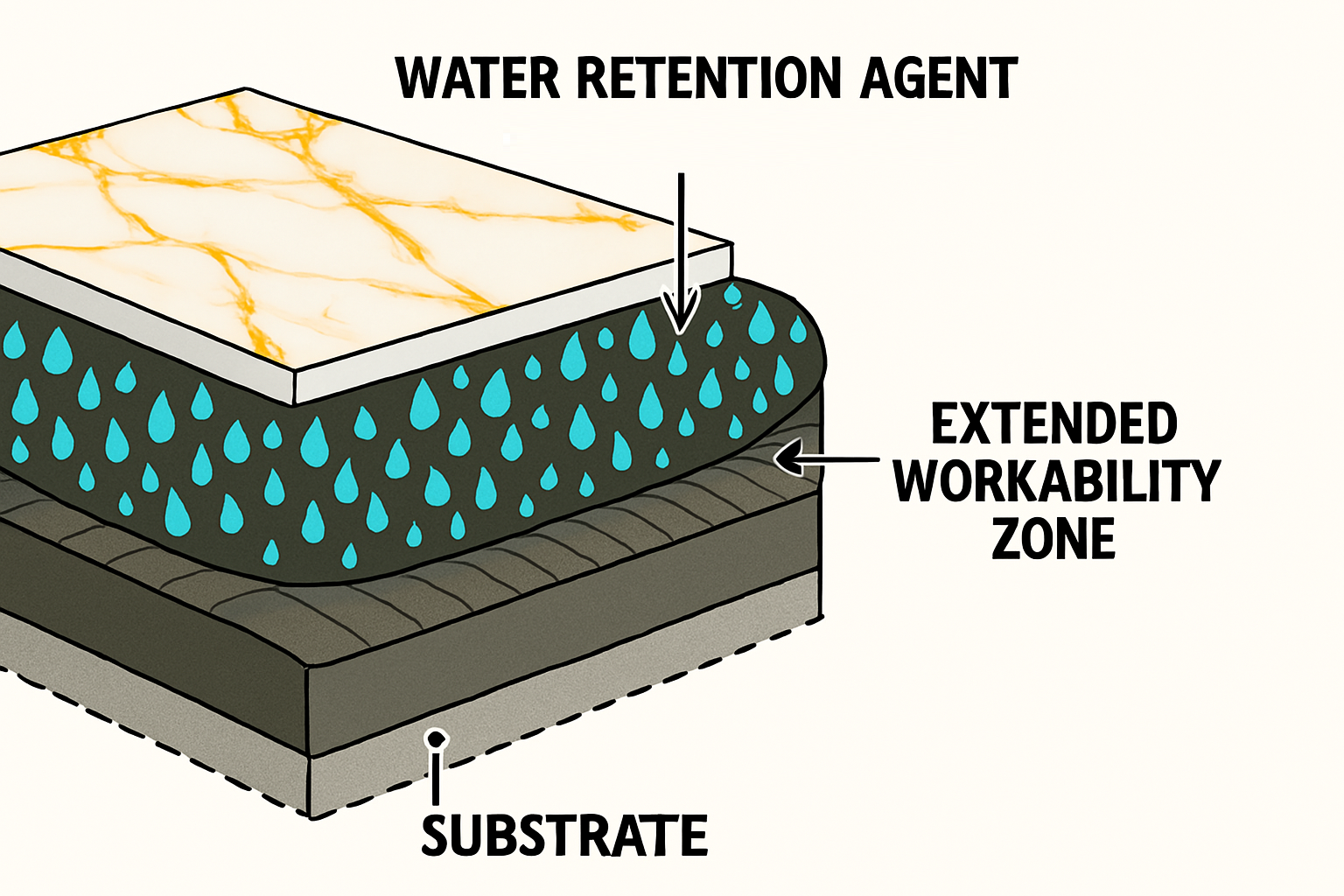
A water retention agent is a special ingredient added to tile adhesives to hold water within the mixture for a longer time. It ensures that the adhesive doesn’t dry out too quickly after being applied to the wall or floor.
When moisture escapes too quickly, the adhesive loses its ability to hold the tile firmly in place. The water retention agent works like a moisture manager, keeping the mix smooth, workable, and strong enough to form a lasting bond.
Why Water is Crucial in Tile Adhesives
Made as a dry mix, tile adhesive needs water to begin the bonding reaction that makes it stick strongly to surfaces.
Water helps in:
- Making the mix soft and spreadable
- Giving time for correct tile placement
- Allowing a complete chemical reaction for bonding
- Preventing weak spots or hollow tiles
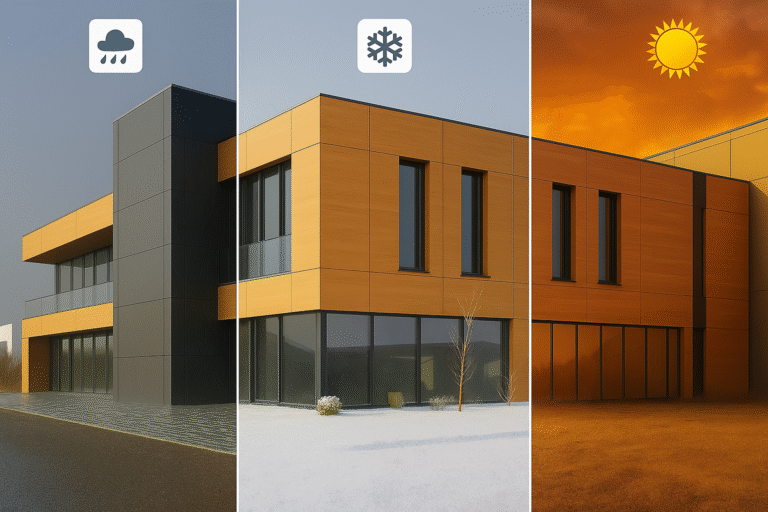
But here’s the problem: in hot weather, on dry surfaces, or when working outdoors, water can evaporate too fast. That’s where water retention agents step in.
How Do Water Retention Agents Work?
Imagine you’re applying tile adhesive to a concrete wall. The wall is dry and rough, and it quickly pulls water out of the adhesive. If this happens, the adhesive becomes dry and loses its grip before the tile is properly pressed.
Water retention agents solve this issue by:
- Trapping water inside the adhesive layer
- Releasing it slowly over time
- Giving enough working time before the adhesive sets
- Ensuring the adhesive cures fully for a strong bond
In simple words, they protect the water inside the adhesive until the job is done.
What Materials Are Used as Water Retention Agents?
Most water retention agents in tile adhesives are plant-based cellulose compounds. These include:
- HPMC (Hydroxypropyl Methylcellulose)
- HEMC (Hydroxyethyl Methylcellulose)
Even though these ingredients are added in small amounts, they have a big impact. They are safe, natural, and widely used in modern tile adhesive formulas.
Benefits of Water Retention Agents in Today’s Tile Work
1. Extended Working Time
With water held in the adhesive longer, workers get more time to:
- Spread the mix smoothly
- Adjust the tile position
- Ensure proper alignment and level
This is especially important for large or detailed tiling jobs where accuracy matters.
2. Better Bond Strength
When the adhesive doesn’t dry out too fast, it forms a stronger connection between the tile and the surface. This means fewer chances of:
- Loose tiles
- Cracks
- Detachment over time
3. No Need to Soak Tiles
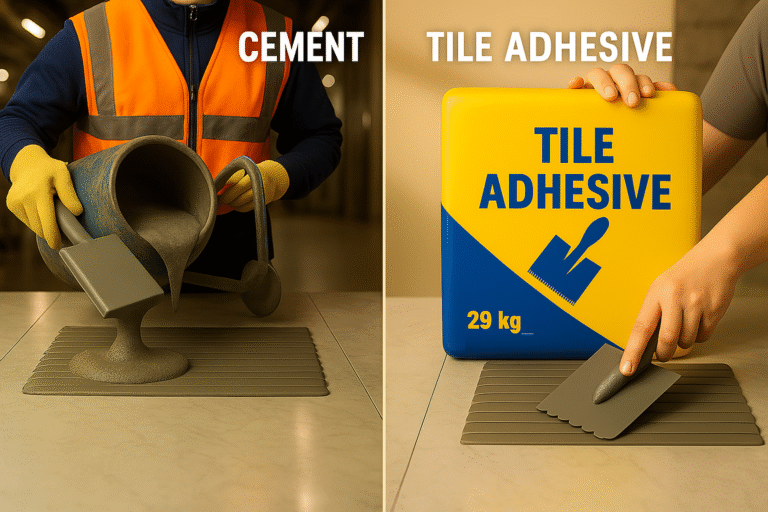
In the old method using cement mortar, tiles had to be soaked in water to stop them from stealing moisture from the mix. But with modern adhesives containing water retention agents, no soaking is needed, saving time and effort.
4. Effective in Hot and Dry Conditions
Whether you’re working in summer or on a dry surface, water retention agents prevent premature drying. They give the adhesive time to do its job even under harsh conditions.
5. Uniform Finish
Because the mix stays workable longer, it spreads evenly and avoids gaps or dry patches. This leads to a smooth, flat, and professional finish every time.
Why It Matters in Modern Construction
In today’s construction and design world, tiles are:
- Bigger and heavier
- More expensive
- Made from porcelain, glass, or natural stone
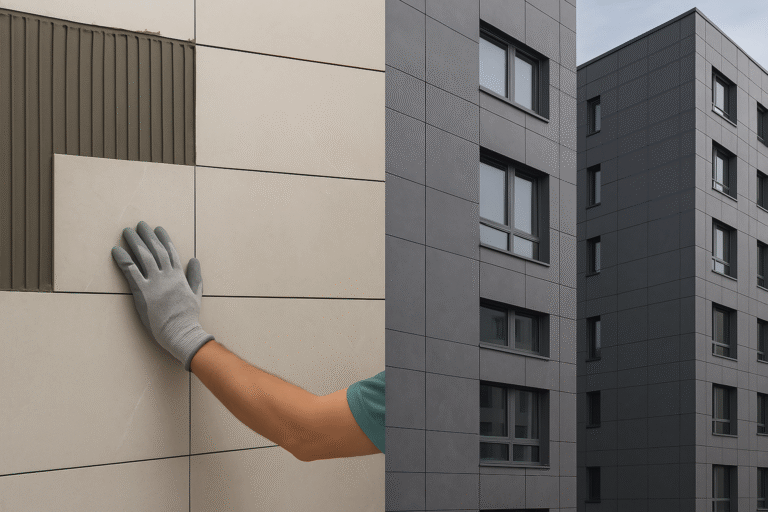
- Installed on tricky surfaces like drywall, wood, or metal
These modern challenges require high-performance adhesives — and water retention agents are a key part of that performance. Without them, even the best adhesive can fail if it dries too early.
What Happens Without Water Retention Agents?
If a tile adhesive doesn’t contain a water retention agent, it may:
- Dry out before the tile is fixed
- Leave hollow spots under tiles
- Cause weak bonding
- Lead to early failure, especially in hot or dry weather
This results in costly repairs, wasted material, and poor results.
Final Words: Small Ingredient, Big Responsibility
Water retention agents may not get much attention, but they play a crucial role in making sure your tile adhesive performs the way it should.
They:
- Keep the adhesive moist long enough to work with
- Help tiles stay firmly attached
- Make modern tiling quicker, cleaner, and more reliable
In short, they make strong tile bonding possible — especially in the fast, demanding, and stylish world of today’s construction.
So the next time you see a bag of tile adhesive, remember: it’s not just powder inside — it’s carefully designed chemistry that includes a little hero called the water retention agent.